Ticks and Kids: How Parents Can Help Children Stay Safe Outdoors
There's nothing quite like watching children explore the outdoors. Whether they're building forts, hiking trails, or playing by the creek, time spent outside helps kids learn, grow, and develop a lifelong appreciation for nature. Along with all the benefits of outdoor adventures, however, comes the need to be aware of common outdoor hazards—including ticks.
Ticks are small parasites that feed on the blood of animals and humans. While most tick bites are harmless, some ticks can carry diseases that may cause serious health problems if left untreated.
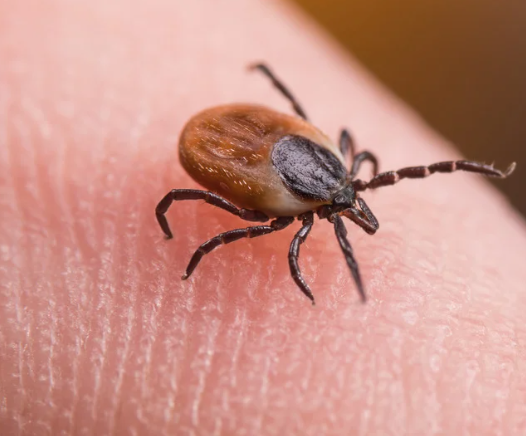
The good news is that a few simple precautions can greatly reduce your child's risk of being bitten.
Where Are Ticks Found?
Ticks thrive in areas with tall grass, shrubs, leaf litter, and wooded environments. They do not jump or fly. Instead, they wait on vegetation and attach themselves to people or animals that brush past them.
Common places where children may encounter ticks include:
Forest trails
Tall grass fields
Parks and playgrounds near wooded areas
Campsites
Backyard gardens with dense vegetation
How to Protect Children from Tick Bites
Dress for Protection
When spending time in tick-prone areas, dress children in light-colored clothing to make ticks easier to spot. Long sleeves, long pants, and closed-toe shoes provide an extra layer of protection.
Tucking pant legs into socks may not win any fashion awards, but it can help prevent ticks from reaching the skin.
Stay on Clear Paths
Encourage children to walk in the center of trails and avoid wandering through tall grass, brush, or piles of leaves where ticks are commonly found.
Use Tick Repellent
Parents can apply insect repellents according to product instructions. Always choose products appropriate for a child's age and follow safety guidelines carefully.
Perform Tick Checks
One of the most effective prevention strategies is a thorough tick check after outdoor activities.
Pay special attention to:
Behind the ears
Around the hairline and scalp
Under the arms
Behind the knees
Around the waist
Between the legs
Ticks can be extremely small, especially young ticks, so take your time during inspections.
What to Do If You Find a Tick
Finding a tick on your child can be alarming, but staying calm is important.
Use fine-tipped tweezers to grasp the tick as close to the skin as possible. Pull upward with steady, even pressure until the tick releases. Avoid twisting or crushing the tick during removal.
After removing the tick:
Clean the bite area with soap and water.
Wash your hands thoroughly.
Monitor the area for signs of irritation or unusual symptoms.
If your child develops a rash, fever, fatigue, or other concerning symptoms after a tick bite, contact a healthcare provider.
Make Tick Safety Part of the Adventure
Teaching children about ticks doesn't need to be scary. Instead, think of it as another outdoor safety skill, just like wearing sunscreen or looking both ways before crossing a street.
By helping children understand where ticks live, how to avoid them, and why tick checks are important, parents can build confidence and encourage safe outdoor exploration. With a little preparation and awareness, families can spend more time enjoying nature and less time worrying about unwanted hitchhikers.


Comments